 Graham Wholemeal Wheat Flour (Type 1850) Lecithinated Toasted Soybean Flour Brown Rice Flour
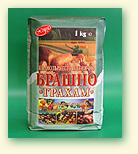 |
Most finely ground. It contains the whole balanced composition of the grain, i.e. everything that the Creator has put into this grain crop – one of the man’s oldest foods. It contains the living wheat germ – one of the richest food sources. It also contains more than 500% as much B-complex vitamins, and more than 600% as much vitamin E as white flour. It also contains about 440% as much phosphorus, magnesium, iron, zinc, and not in the last place – about 300% as much valuable dietary fibre as white flour.
GRAHAM Wholemeal Wheat Flour can be used both alone and combined with other flours – for making dietary bread and other bakery goods such as pizzas, cakes, biscuits, sauces etc.
|
NUTRITIONAL INFORMATION |
|
|
Energy
|
1319 kJ / 315 kcal
|
|
Protein
|
12.1 g
|
|
Fat
- of which saturates
|
2.1 g
0.3 g
|
|
Carbohydrate
- of which sugars
|
60.9 g
2.1g
|
|
Vitamin В1
|
0.47 mg (43%)*
|
|
Nicotinamide (vitamin В3, РР)
|
5.0 mg (31%)*
|
|
Folacin (folic acid)
|
50 µg (25%)*
|
|
Vitamin В6
|
0.46 mg (33%)*
|
|
Pantothenic acid (vitamin В5)
|
1.2 mg (20%)*
|
|
Vitamin Е
|
2.1 mg (18%)*
|
|
Phosphorus
|
350 mg (50%)*
|
|
Magnesium
|
130 mg (35%)*
|
|
Iron
|
4.7 mg (34%)*
|
|
Zinc
|
3.2 mg (32%)*
|
|
Dietary fibre
|
12.5 g
|
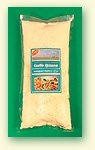 |
Prepared by an up-to-date processing procedure from selected, dehulled soybeans higher in protein. A unique source of protein, respectively essential amino acids and protective ingredients, minerals (high in phosphorus, copper, magnesium, potassium, iron, zinc, calcium) and vitamins, needed for total metabolism. By an adequate heat treatment the antinutritive factors have been inactivated and thus protein availability increased. By use of lecithinating process its functional properties have been improved. Its high nutritive and biological value also make it a useful product used as an excellent emulsifier and stabilizer which permits partial replacement of whole egg or egg yolk in products. It has high capacity of water absorption and binding, fat adsorption, protein network formation, structure enhancing and improved dispersibility. Due to its natural high tocopherol content, it also has antioxidative ability.
|
NUTRITIONAL INFORMATION
Typical values per 100g
|
|
|
Energy
|
1600 kJ / 382 kcal
|
|
Protein
|
49.0 g
|
|
Carbohydrate
|
26.4 g |
|
Fat / Lecithin
cholesterol
|
6.0 g
0.0 g
|
|
Phosphorus
|
650 mg (93%)*
|
|
Magnesium
|
220 mg (59%)*
|
|
Potassium
|
2300 mg (115%)*
|
|
Iron
|
6.5 mg (46%)*
|
|
Zinc
|
4.8 mg (48%)*
|
|
Calcium
|
230 mg (29%)*
|
|
Dietary fibre
|
3.5 g
|
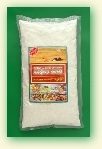 |
Creamy colored with a grainy texture with a mildly sweet, nutty taste. Made by grinding unpolished brown rice. Milled from whole grain and retains the bran giving it more fibre and making it more nutritious and tasty than white rice flour. It contains about 600% as much vitamin B1, 400% as much nicotinamide (niacin, vitamin B3, PP), 370% as much magnesium and iron, and 250% as much phosphorus as white rice flour. It has also higher pantothenic acid (vitamin B5) and higher dietary fibre than white rice flour.
Gluten free.
Brown Rice Flour is best combined with other flours (oat, rye, barley etc.) to avoid a grainy texture of the final product. Combinations with other non-gluten flours or starches such as maize, amaranth, buckwheat, quinoa, millet, soy and other legumes, sorghum, tapioca, potatoes etc., provide gluten-free alternatives as well as a variety of tasty flours for a change of taste and structure.
You can make this way great multi grain breads, small flat loaves, pancakes, pizzas, buns, cookies, cakes, pastries etc. Broun Rice Flour can be used in a bread dough to replace partly whole wheat flour and give extra softness to the crumb. It can be used alone in non-yeasted nut breads, unleavened flat breads, as a thickener for soups, sauces etc.
|
NUTRITIONAL INFORMATION
Typical values per 100 g of product
|
|
|
Energy
|
1521 kJ / 364 kcal
|
|
Protein
|
7.2 g
|
|
Carbohydrate
- of which sugars
- starch
|
76.6 g
0.8 g
75.8 g
|
|
Fat
- of which saturates
- cholesterol
|
2.8 g
0.6 g
0.0 g
|
|
Vitamin В1
|
0.4 mg (36%)*
|
|
Nicotinamide (vitamin В3, РР)
|
6.3 mg (39%)*
|
|
Pantothenic acid (vitamin В5)
|
1.6 mg (26%)*
|
|
Vitamin В6
|
0.8 mg (57%)*
|
|
Magnesium
|
112 mg (30%)*
|
|
Phosphorus
|
337 mg (48%)*
|
|
Zinc
|
2.5 mg (25%)*
|
|
Iron
|
2.1 mg (15%)*
|
|
Sodium
|
1 mg
|
|
Dietary fibre
|
4.6 g
|